What It's Like to Train at North Perry Airport
For many student pilots, the airport where they train becomes a big part of their learning experience. Each airport has its own environment, traffic patterns, and pace of operations. Choosing the right airport can provide valuable experience that prepares you for real-world flying.
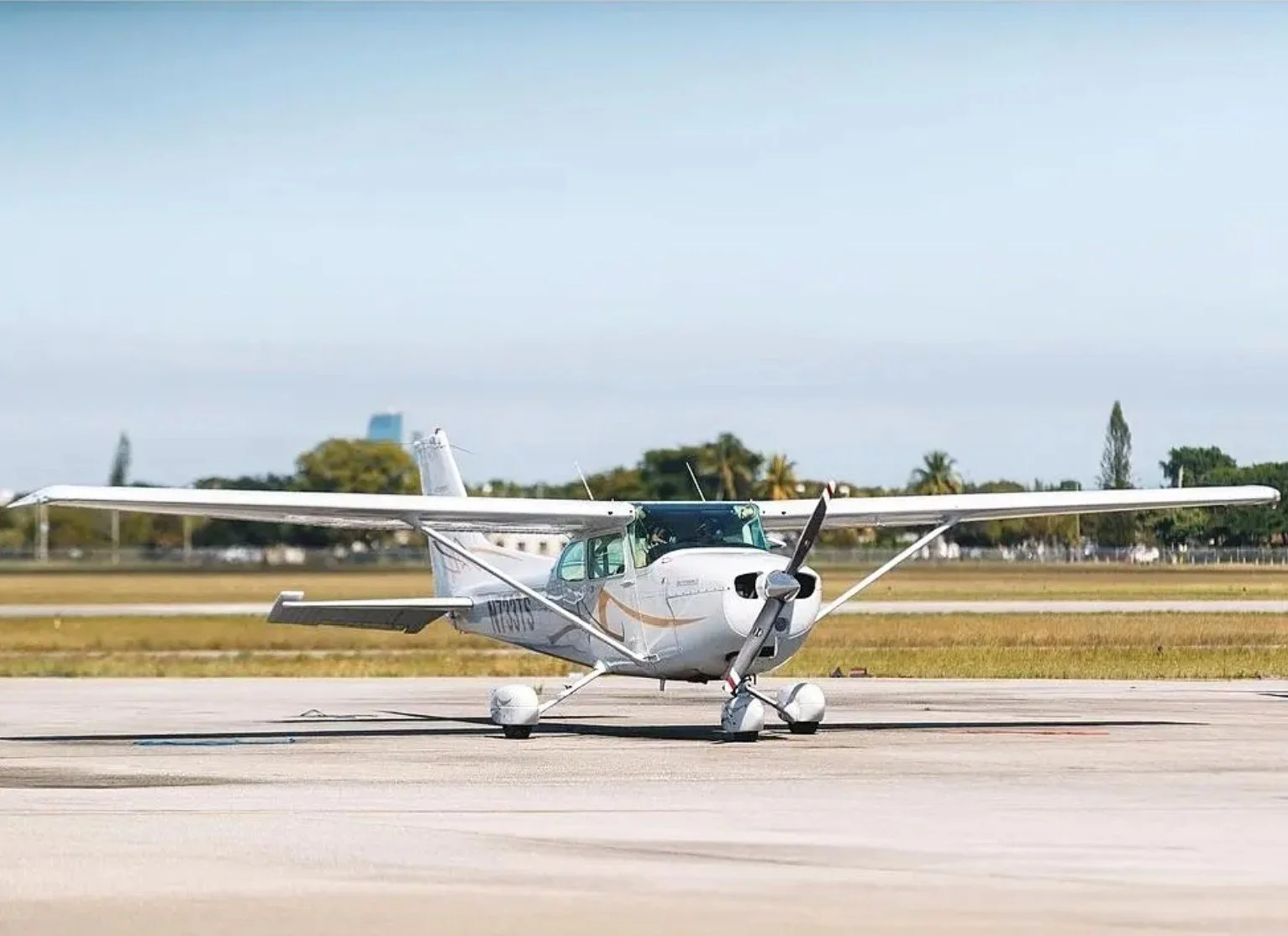
Our home airport, North Perry Airport (KHWO), is one of the busiest general aviation airports in South Florida, making it an excellent place for flight training. Students who learn here are exposed to a wide variety of aircraft operations and develop strong situational awareness early in their training.
A Busy Training Environment: North Perry Airport is well known for its high volume of flight activity. While this can seem overwhelming at first, student pilots gain valuable experience. Learning to operate in an active environment helps students become comfortable with traffic patterns, radio communication, and maintaining awareness of other aircraft in the area. These are important skills that every pilot must develop.
Multiple Runways: The airport has several runways, which allows pilots to practice different types of approaches and landings depending on the wind and traffic conditions. This flexibility also enhances safety by separating traffic, reducing congestion on one runway, and leaving more time for training in the air.
Radio Communications: Due to the nature of operations at North Perry, student pilots quickly gain confidence speaking with other aircraft and coordinating their position in the traffic pattern. Pilots will quickly learn not only how important clear communication is for maintaining safe operations, but how to communicate correctly & effectively.
Excellent Weather: South Florida’s climate provides favorable flying conditions throughout much of the year. With many days of good visibility and relatively consistent weather, students often have more opportunities to fly and maintain progress in their training.
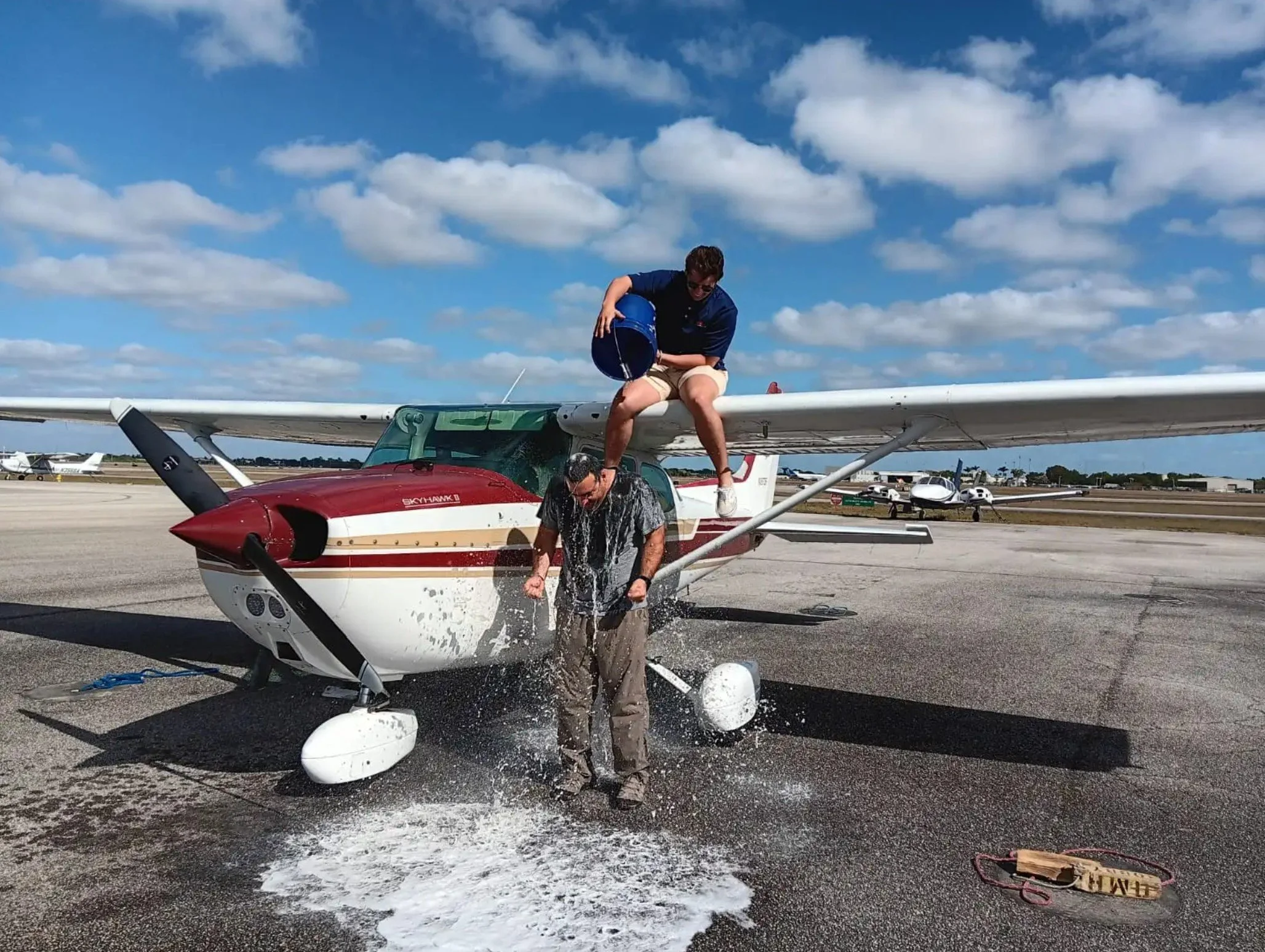
Supportive Aviation Community: Students regularly interact with other pilots instructors, and aviation professionals who share the same passion for flying. Being surrounded by experienced aviators creates opportunities to ask questions, learn from others, and stay motivated throughout training.
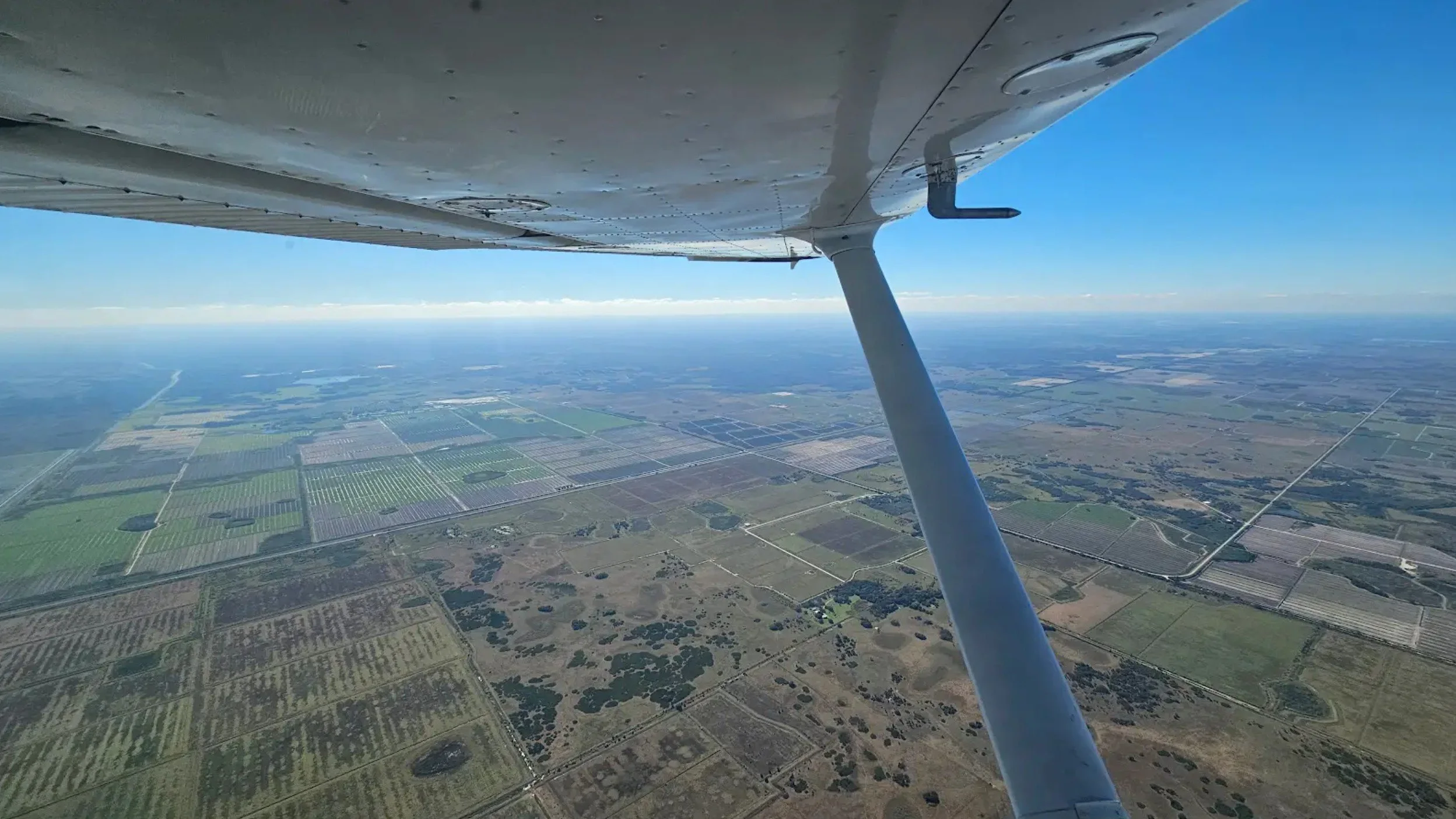
For many aspiring pilots, the first step in training is an introductory lesson with a flight instructor. This first flight allows students to experience the basics of controlling the aircraft while learning what to expect from the training process.
Airports like ours provide a dynamic environment where students can begin developing the skills that will stay with them throughout their flying journey.