
Commercial Pilot vs Airline Pilot: What’s the Difference?
Many people who start flight training want to eventually fly professionally, but the terms commercial pilot and airline pilot are often confused. While both involve flying for compensation, they refer to different pilot certifications and career paths.
Here at our flight school, we help pilots work toward both goals. Whether you are starting from zero flight experience or building hours toward the airlines, understanding the difference between these certifications is an important first step.
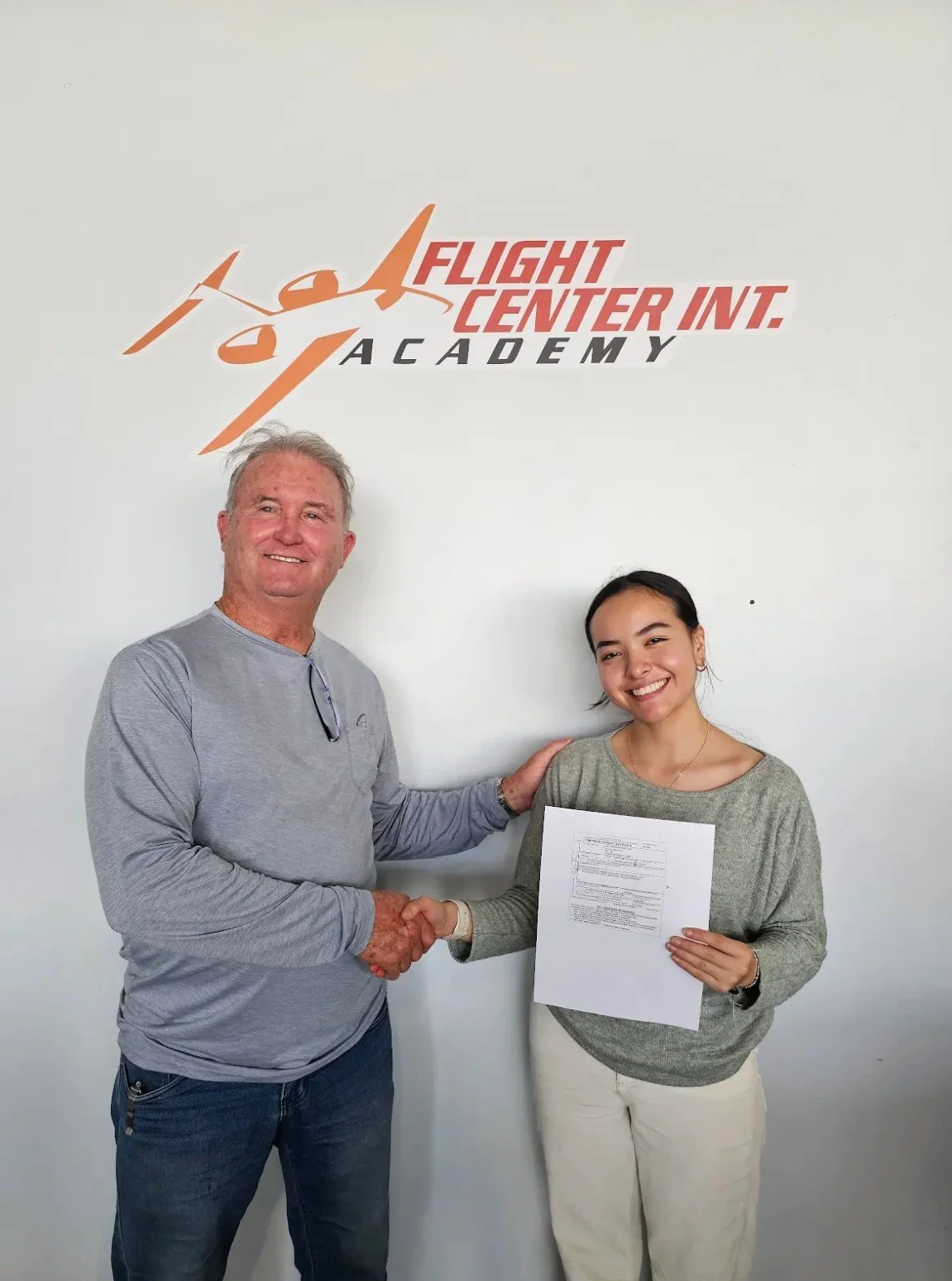
What Is a Commercial Pilot?
A commercial pilot holds a Commercial Pilot Certificate, which allows a pilot to legally be paid for flying. In the United States, this certification is issued by the Federal Aviation Administration.
Before earning a commercial certificate, a pilot must first obtain a private pilot certificate and (usually) an instrument rating. The commercial certificate builds on those skills and focuses on precision flying, advanced maneuvers, and professional level decision making.
The general minimum requirements for a commercial pilot certificate include:
At least 18 years of age
A valid FAA medical certificate
A private pilot certificate
An instrument rating
A minimum of 250 total flight hours under Part 61 training
Once pilots earn their commercial certificate, they can begin flying professionally, aka for hire. Commercial pilots often work in roles such as aerial photography, banner towing, pipeline patrol, charter flying, corporate aviation, flight instruction, and other specialized operations.
Here at our flight school, we offer Part 61 Commercial Pilot Training starting from zero experience. Many of our students begin with a discovery flight and progress through their private, instrument, and commercial training with us. By the time they reach the commercial level, they have built a strong foundation of flight experience and knowledge.
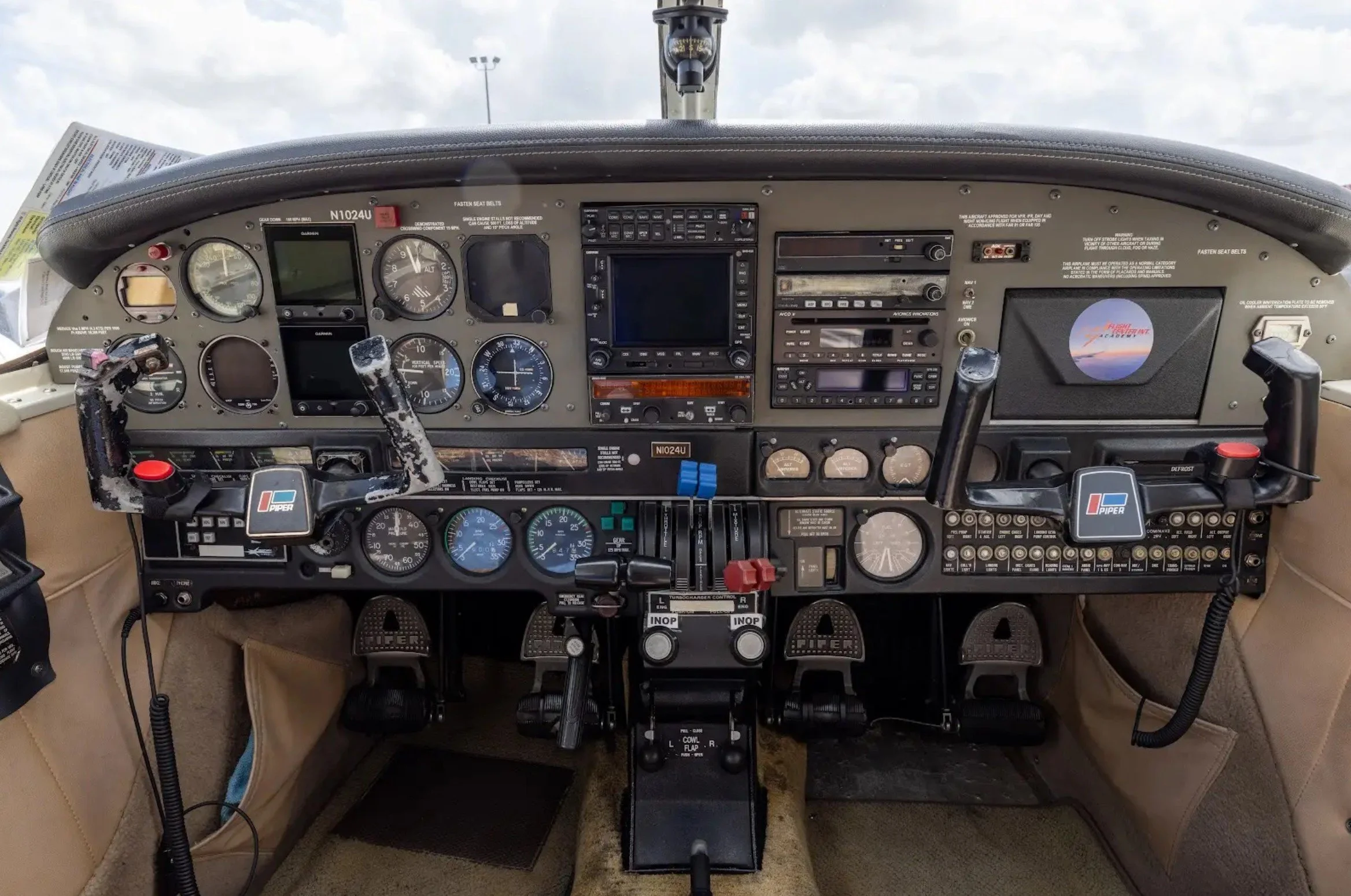
What Is an Airline Pilot?
Airline pilots typically hold a higher certification known as the Airline Transport Pilot (ATP) certificate, which is the highest level of pilot certification in the United States.
This certificate is required for pilots who want to serve as a captain or first officer at an airline operating under Part 121 regulations.
The typical minimum requirements for an ATP certificate include:
At least 23 years of age
A commercial pilot certificate and instrument rating
Completion of an ATP Certification Training Program (ATP-CTP)
Passing the ATP written exam
A minimum of 1,500 total flight hours
These flight hours are often built through a combination of flight instruction, charter operations, or other commercial flying jobs.
Airline pilots operate larger aircraft and fly scheduled routes for regional and major airlines. Their responsibilities include managing complex aircraft systems, coordinating with air traffic control, and working closely with other crew members to ensure safe and efficient operations.
Building the Experience Between Commercial and Airline Pilot
One of the biggest steps in a professional pilot’s career is building the flight hours needed for the ATP certificate. Many commercial pilots spend this time gaining experience as flight instructors, charter pilots, or in other commercial flying roles.
At Flight Center International, we support pilots during this stage by offering time-building packages that allow pilots to efficiently log the flight hours needed to reach their career goals. These programs are especially helpful for pilots who are working toward the 1,500 hour requirement while continuing to refine their flying skills.
ATP Training in a Multi Engine Aircraft
Once pilots have completed the ATP-CTP course and passed the written exam, they must complete their ATP flight training and check-ride.
Many ATP programs are conducted entirely in large jet simulators. While simulators are valuable training tools, some pilots prefer completing their ATP training in a real aircraft environment.
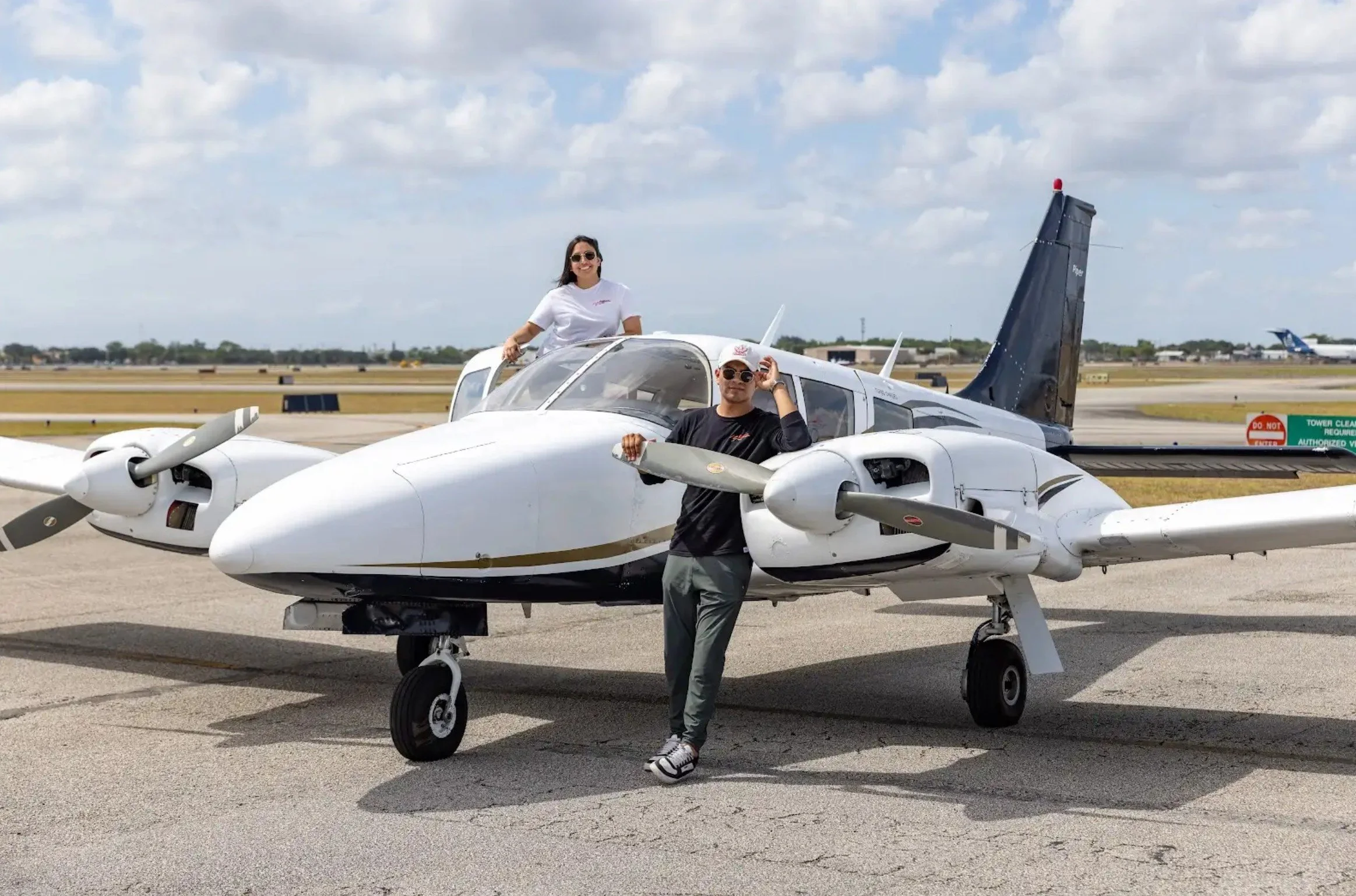
At our flight school, pilots can complete their ATP flight training in a multi engine piston aircraft. This option is particularly appealing to pilots who have spent most of their careers flying piston aircraft and want to complete their ATP in a familiar environment before transitioning to larger aircraft.
Training in a real multi engine airplane also provides valuable hands on experience managing multi engine performance, systems, and procedures.
Starting Your Path Toward a Professional Pilot Career
Whether your goal is to become a commercial pilot or eventually fly for the airlines, the journey always begins with building a strong foundation of training and experience.
Here at Flight Center, we guide students through each stage of the process. From private pilot training to commercial certification, time building, and ATP flight training, our programs are designed to help pilots move confidently toward their aviation careers.
For many of our students, the first step is simply getting into the cockpit for the first time and seeing what it takes to begin the journey.