
Learning to fly takes time, practice, and patience. During flight training, many students encounter similar challenges as they build new skills in the cockpit. These mistakes are a normal part of learning, and experienced instructors see them often.
Recognizing these common student pilot mistakes early can help build better habits and make training more efficient.
Hesitating to Ask Questions
Some students hesitate to ask questions because they feel they should already know the answer. In reality, flight training is designed for learning, and instructors expect students to ask when something is unclear.
When a question comes up, it is always better to ask. Clarifying a concept on the ground can prevent confusion in the air and help students progress more quickly.
Leaving the Master Switch On
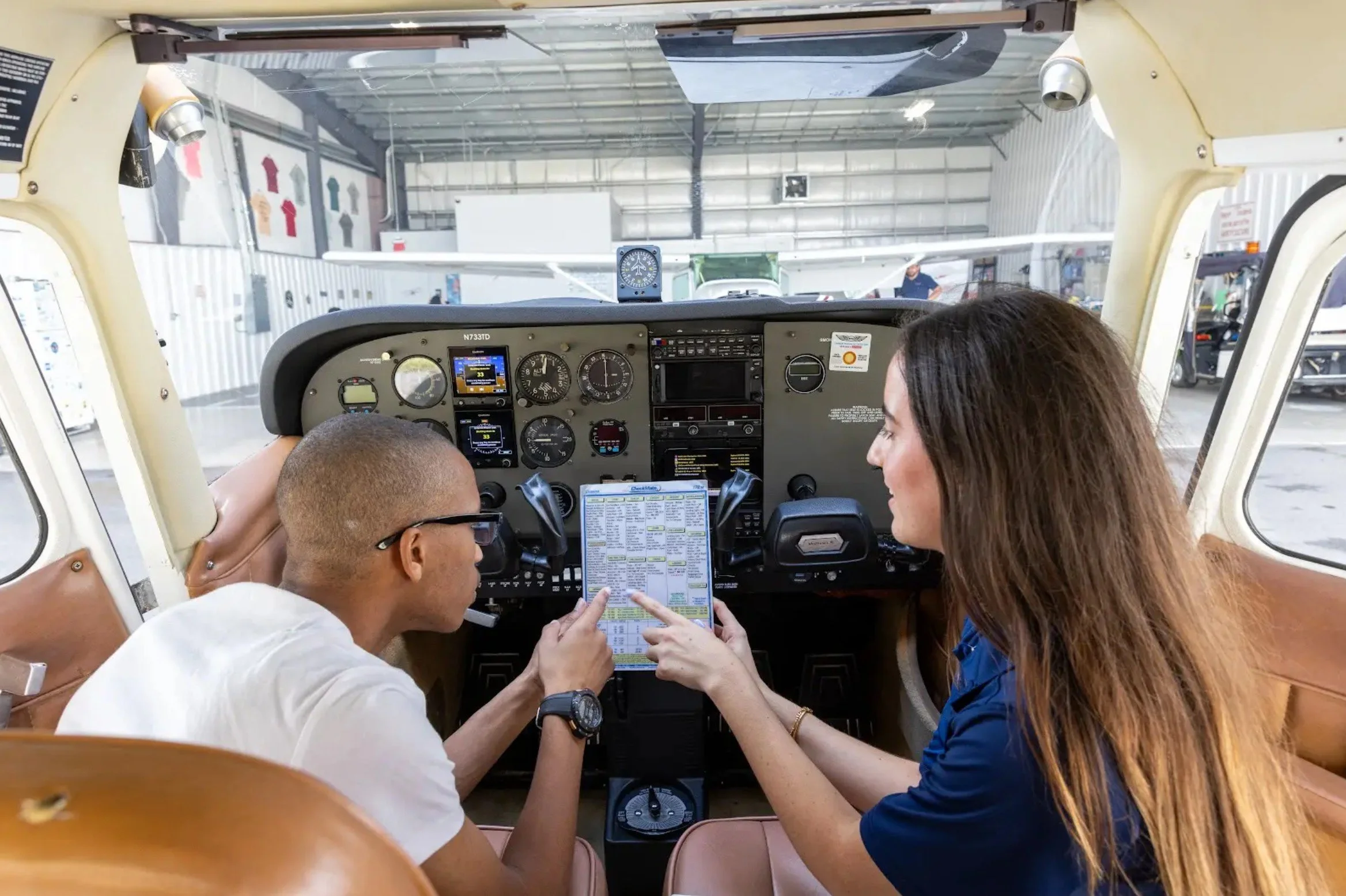
After shutdown, it is easy to overlook small details. One common mistake is forgetting to turn off the master switch, which can drain the aircraft battery.
Carefully following the shutdown checklist and confirming that all electrical switches are off helps prevent this problem.
Relying Too Much on GPS
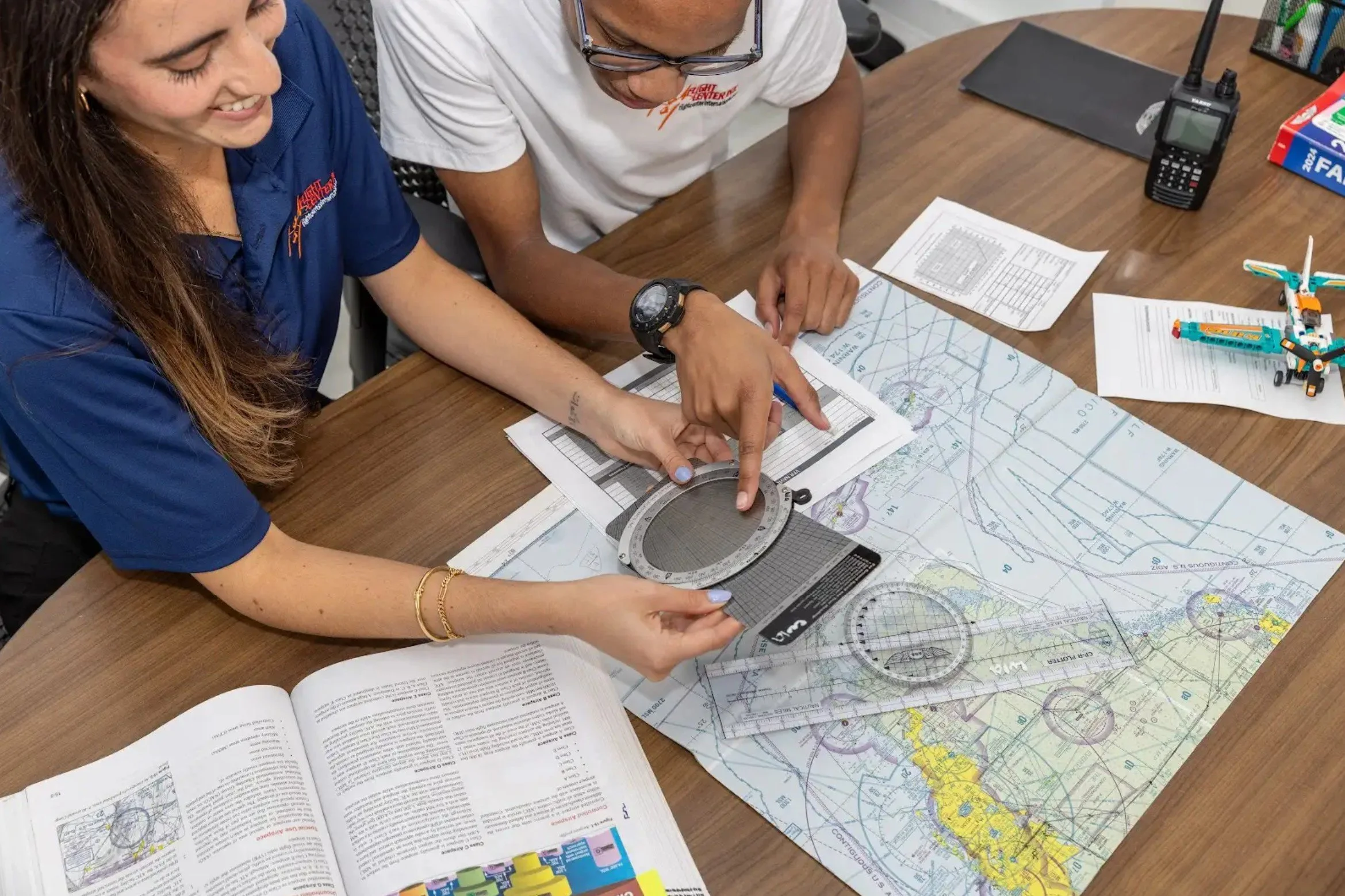
Modern GPS systems are helpful, but they should not replace basic navigation skills. Some students begin to trust the display without confirming their position or surroundings.
Pilots should always cross check navigation with visual references, headings, and charts. GPS is a useful tool, but situational awareness remains essential.
Allowing Distractions in the Cockpit
Flying an airplane can be exciting, especially early in training. Distractions can come from the scenery, from thinking about previous mistakes, or from trying to manage too many tasks at once.
Staying focused on the next step in the flight helps maintain awareness and keeps the pilot ahead of the airplane.
Rushing the Preflight Inspection
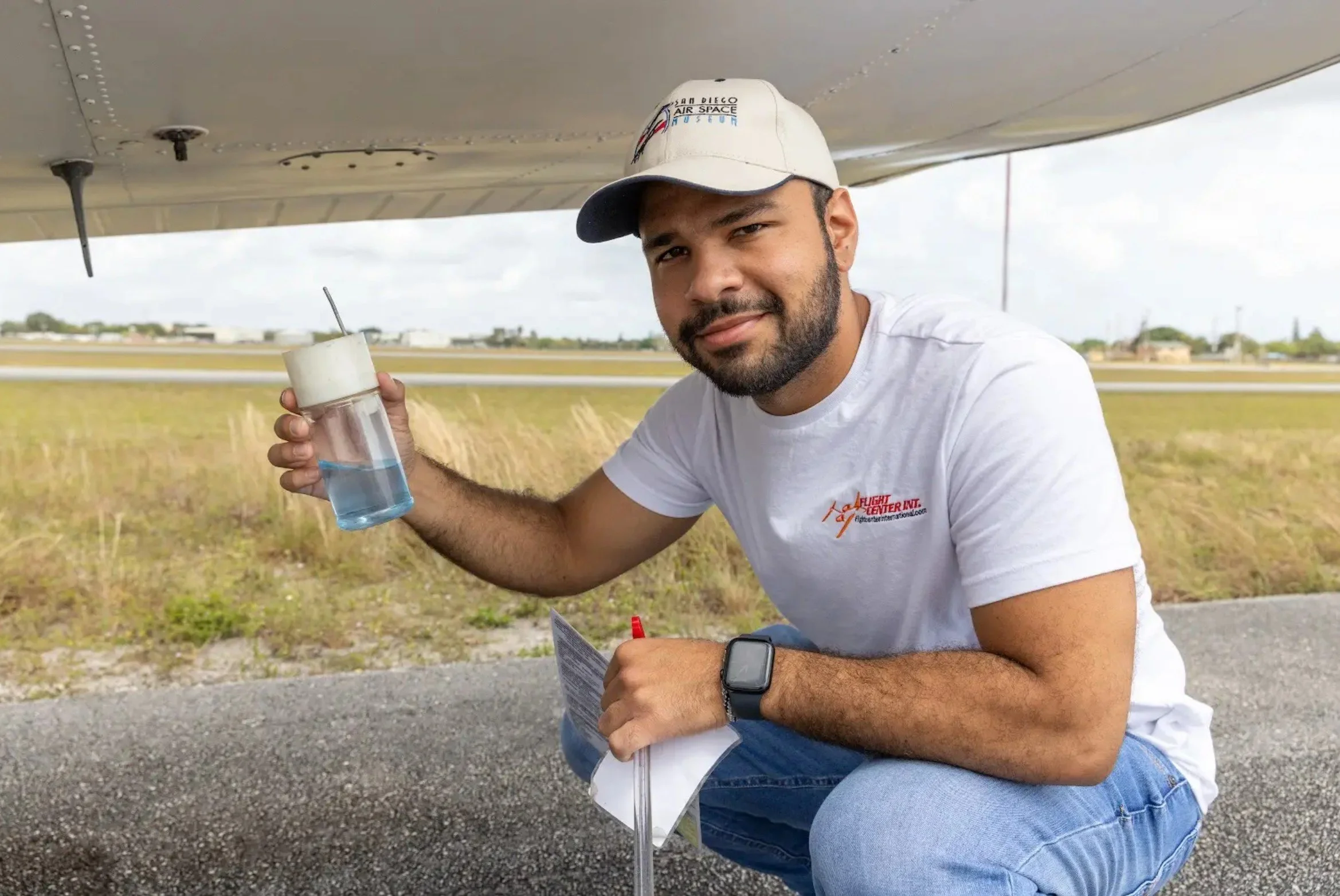
The preflight inspection ensures the aircraft is safe to fly. Some students move too quickly through the inspection or rely on memory instead of following the checklist.
Taking the time to carefully check each item helps develop good habits and prevents small problems from being overlooked.
Forgetting the Flare
Landing requires a smooth transition from descent to a nose high attitude before touchdown. New students often flare too late or not enough, which can lead to flat or firm landings.
With practice and consistent approaches, the timing of the flare becomes easier to recognize.
Ignoring the Checklist
As students gain experience, it can be tempting to rely on memory instead of using the checklist. This can lead to missed steps during important phases of flight.
Even experienced pilots use checklists to confirm procedures. Using them consistently helps reinforce safe habits.
Learning From Mistakes
Mistakes are a natural part of flight training. The goal is not to avoid every mistake, but to recognize them and improve.
Students who stay curious, ask questions, and work closely with their instructor tend to build stronger habits and become more confident pilots.